
One of the greatest pleasures a man has is to work shoulder-to-shoulder with his son. I have most recently enjoyed the process of working alongside my son, Nicholas, on his newly acquired 1973 Camaro. It’s not a full restoration but rather a “freshening up” of sorts. Working together with Nick I’m able to pass on a little of my experience. It’s been a real treat! We just got it in paint last week and now he’s learning what it takes to restore the parts to his car…. a lot of elbow grease!


I’d like to invite you to follow a project I’ve been working on for the past few months. “The Dino Project” is a documentary film and social media project that is raising awareness about Duchenne Muscular Dystrophy, its connection to Alfredo “Dino” Ferrari, and the Ferrari Dino sports car in an effort to find a cure for this deadly disease. Learn more at www.dinoferrariproject.com or ferrarilife.com (Dino Era: 206/246 – The Dino Project thread). Please spread the word — share, like and follow!
A wheel with a true single-stage acrylic enamel that they used from the factory is not manufactured any more. Thus, making wheel restoration an important process. They do manufacture single-stage polyurethanes but that’s not how they came from the factory originally. They came from the factory as a single-stage acrylic enamel with no clear coat.
Zinc chromate is available and is used as an adhesion promoter for aluminum/magnesium alloys. However, a zinc chromate primer is a single stage with no hardeners and stays soft. I’ve found that by using an aircraft allodine wash and etch to enhance my adhesion, works better than using a zinc chromate primer. I always use a two-part material with a hardener to ensure durability and longevity. By using the Allodine wash there is absolutely no build up of adhesion materials such as zinc chromate and I can go directly to a very light coat of a chromate primer then go to my two-part epoxy primers for my filler properties. You need the filler properties in order to fill imperfections after media blasting your wheels. Zinc chromate is not to be used as a filler primer but only for adhesion purposes.
Products change in the automotive refinishing business because of AQMD requirements. In the 1960s and ’70s, zinc chromate was the best available for adhesion on aluminum/magnesium alloy. In the zinc chromate primers it’s the chromate that helps with the adhesion process not so much zinc. Nowadays they have chromate primers without using the zinc properties.
Since they don’t manufacture straight or acrylic enamel material any more you can achieve a single stage by asking your painter to add a little flattener agent in the clear. Also, if your painter is using a solvent base coat have him mix in a little base coat with the clear coat as well. This will achieve a single-stage enamel look.
Another way to do the wheels if you want to use a single stage process and not use a clear coat, is to use a single-stage urethane color and simply add flattener to achieve a medium gloss, single-stage enamel look.
For the complete two-stage process please read my tips and tricks to restoring Aluminum/Magnesium wheels.
 Automotive restoration work is grueling, dirty and time consuming. I don’t have much down-time from my classic automotive restoration work but on occasion I’ve been known to spend a few hours on a Saturday morning or Sunday afternoon at the shop working on my art. For me it’s a way to decompress and to renew my creative juices.
I’ve posted a few of my pieces on my art page. I hope you like what you see.
The Miura is steamrolling toward paint! We got it in its third and final primer last week as well as its final fit and finish stage. After four blockings we are more than ready to get a little color on this beauty. The color has been selected.


Aaron Robinson, Executive Editor for Car and Driver recently interviewed me for an article in the New York Times about automotive preservation. It will be in this Sunday’s edition, just in time for the Pebble Beach Concours d’ Elegance.
Bringing faded and cracked paint back to life is one of the trickiest jobs, said Steve Kouracos, a car restorer and paint specialist in Rancho Santa Margarita, Calif.
“There’s no book written on this,” he said. “It’s really a talent. And if you use the wrong product, you’ve blown it.”
Mr. Kouracos employs an arsenal of old-school techniques, from rubbing on linseed oil to using wool buffing pads instead of modern foam ones. Linseed oil conditions the paint and acts as a stainless, odorless lubricant for sanding, he said, while the wool pads generate just the right amount of friction to melt and move around old paint, filling cracks and scratches. – To Preserve and Protect – New York Times
Another couple tips about preservation not in the article.
Paint preservation is a very long, tedious and costly process for people who are trying to preserve the patina of their classic car. A preservation is a methodical process. Moving section by section around the car a good preservation includes removing nuts and bolts, cleaning them, and applying an invisible satin coating and then the parts are re-installed. This process encapsulates years of history and preserves the patina that preservation artisans look for.
It’s important to remember that when chemicals are applied to old paint (such as single stage enamels or lacquers) they can stain and change the color under certain circumstances.
For those wanting to remove oxidation without damaging original paint without using harsh chemicals I have one other tip that I can share: Using a little corn starch mixed with warm water to make a paste — and using a little elbow grease with a stack of cloth diapers or microfiber or terrycloth towels — will certainly help to remove oxidation and help to preserve the paint.
Please feel free to contact me with any questions about paint preservation.

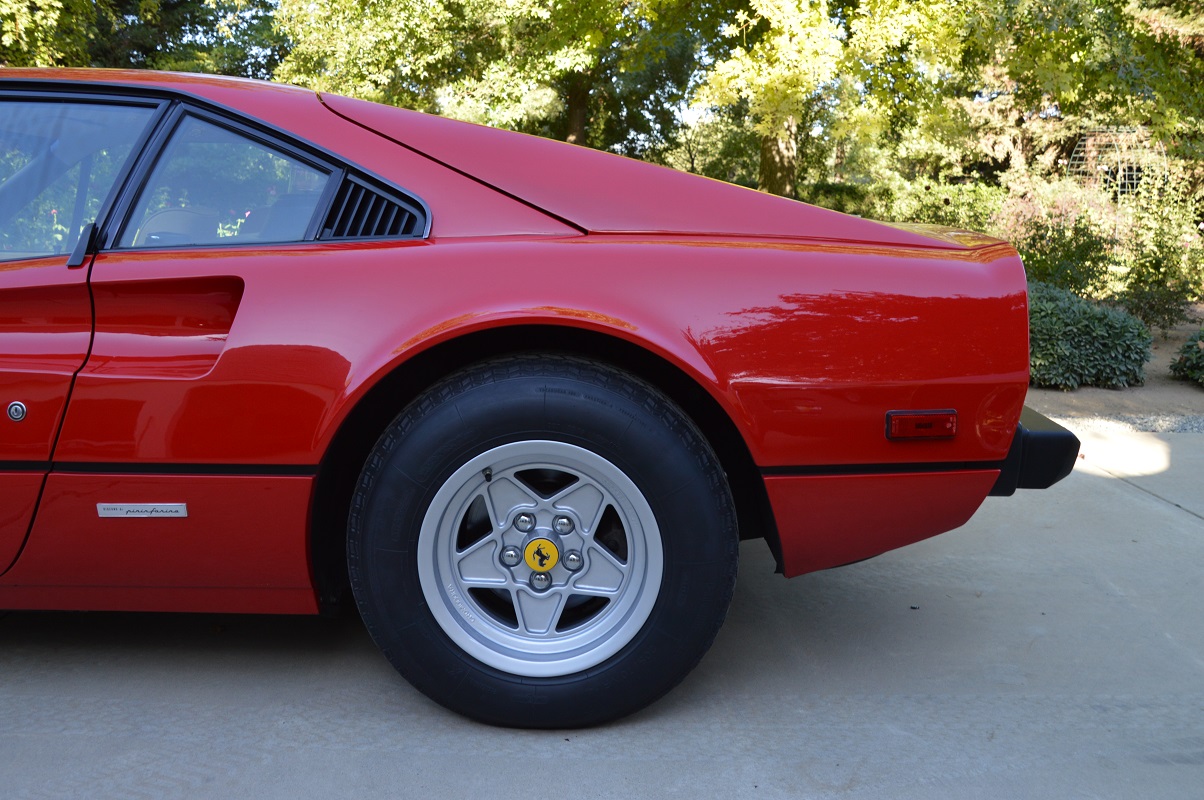
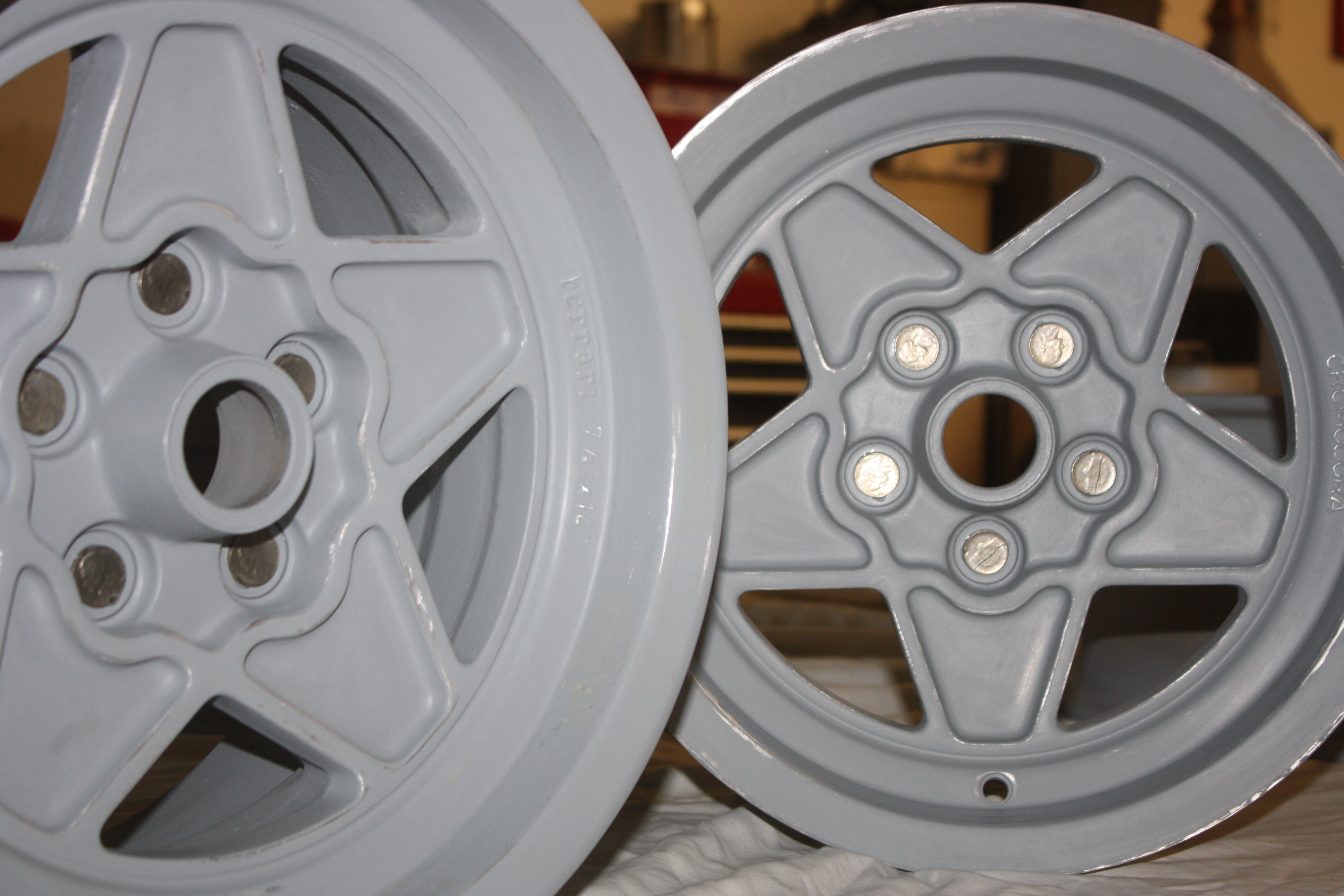
I just refurbished the five Ferrari 308 Cromodoras wheels for the owner of this gorgeous Ferrari 308. I thought you might like to see how these refurbished wheels look on the car. I must say, they look much better on than in the back of Bruce’s pick up truck!

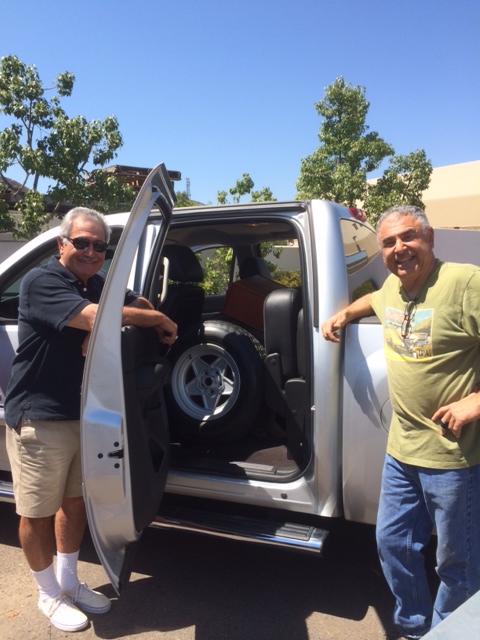
One of the most rewarding parts of my job is building a relationship with my clients. Today I had the great privilege of meeting one of my clients when he came by to pick up the wheels I restored for him. He found my posting on Aluminum Magnesium wheel restoration and brought me his five Ferrari 308 Cromodoras wheels to be refurbished about two weeks ago. I stripped, repaired, prepped and painted the wheels. Finally I had them mounted with brand new XWXs. The wheels turned out great. The delivery went seamlessly.
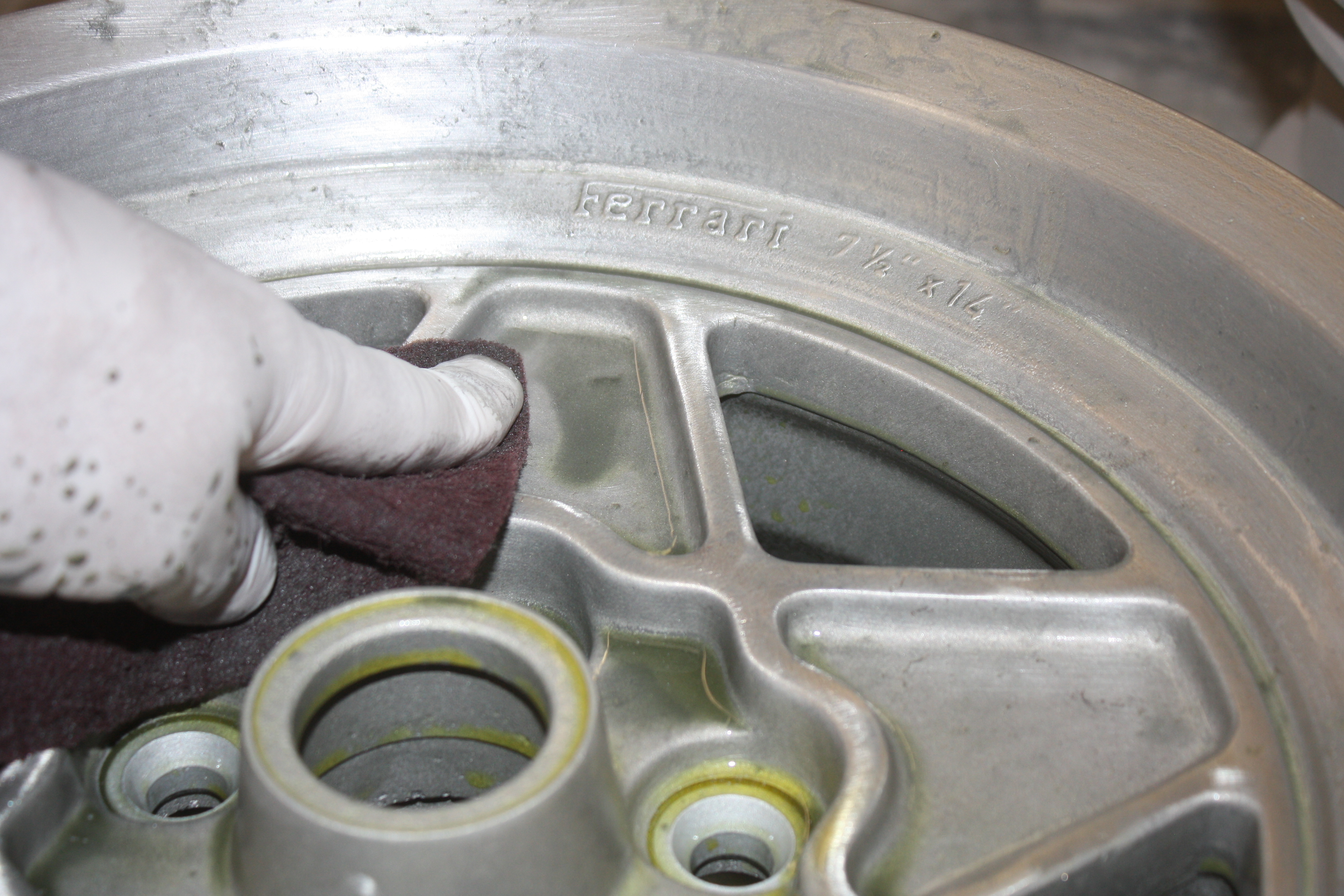
Prepping wheel with Alodine after stripping

Washing wheels free of Alodine prep

Compare dark background wheel to etched wheel
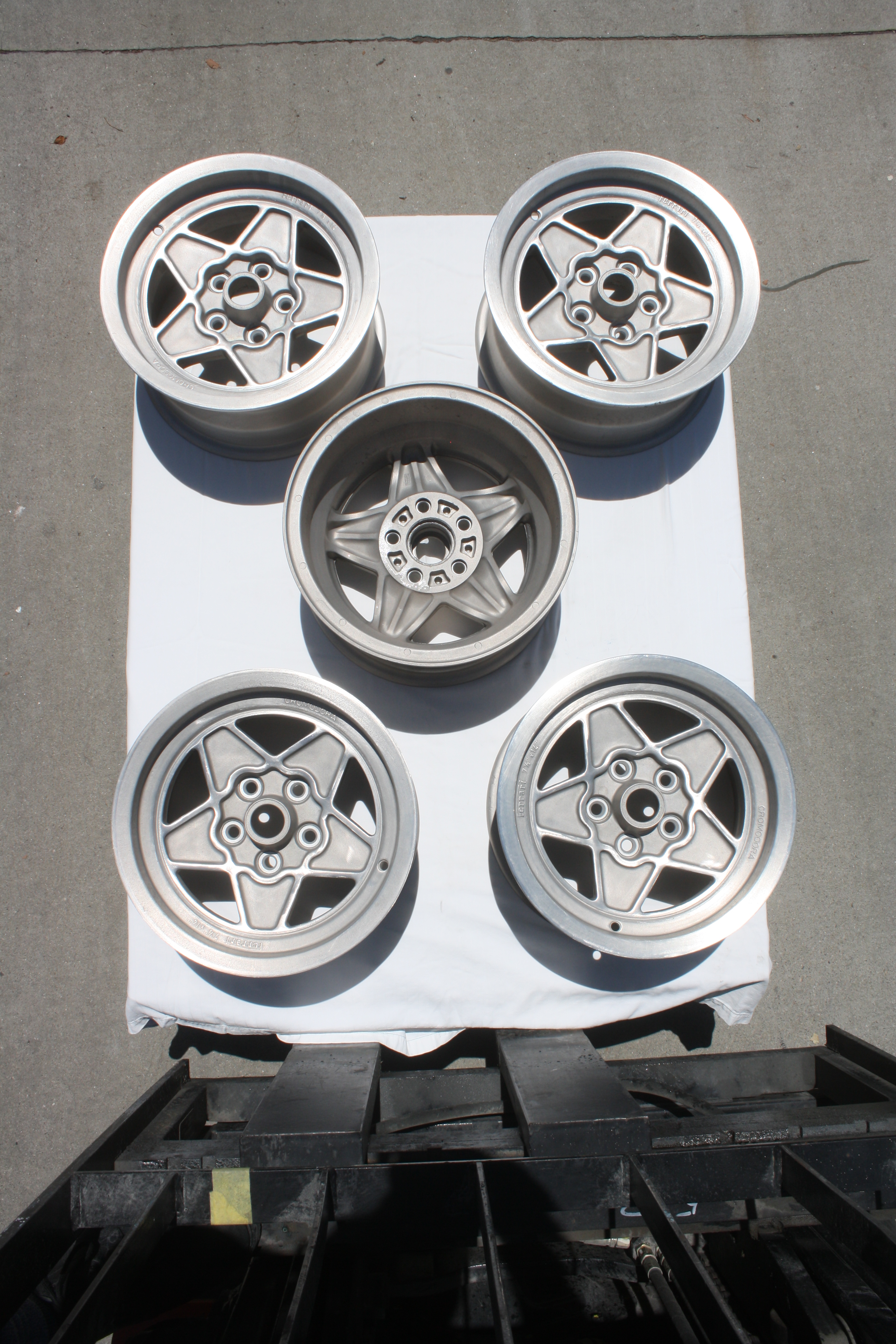
Wheels out in sun drying after Alodine rinse
Wheels in Etching Primer
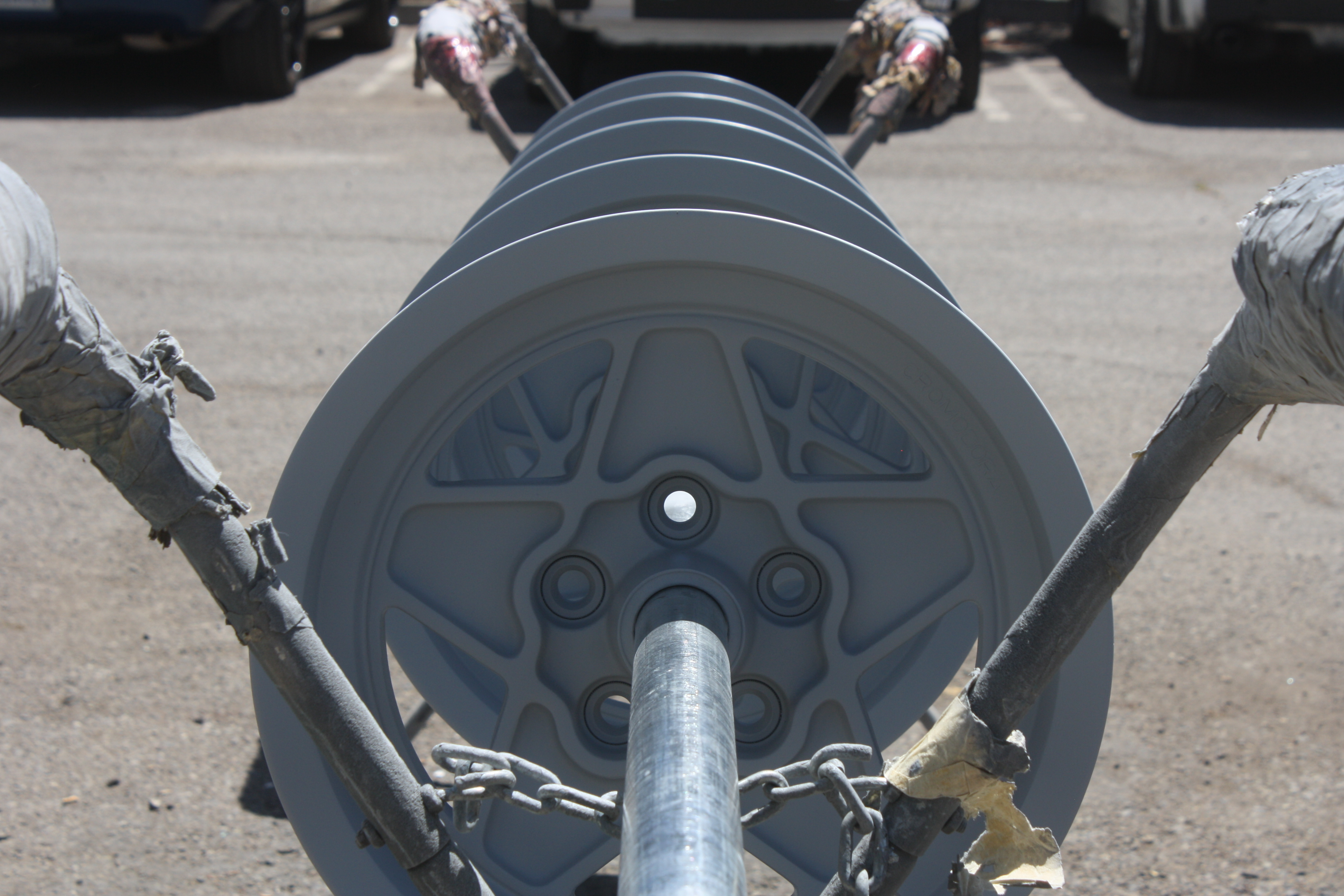
Wheels re-primered after etching primer and ready for last prep before paint

Finished wheels – mounted and balanced
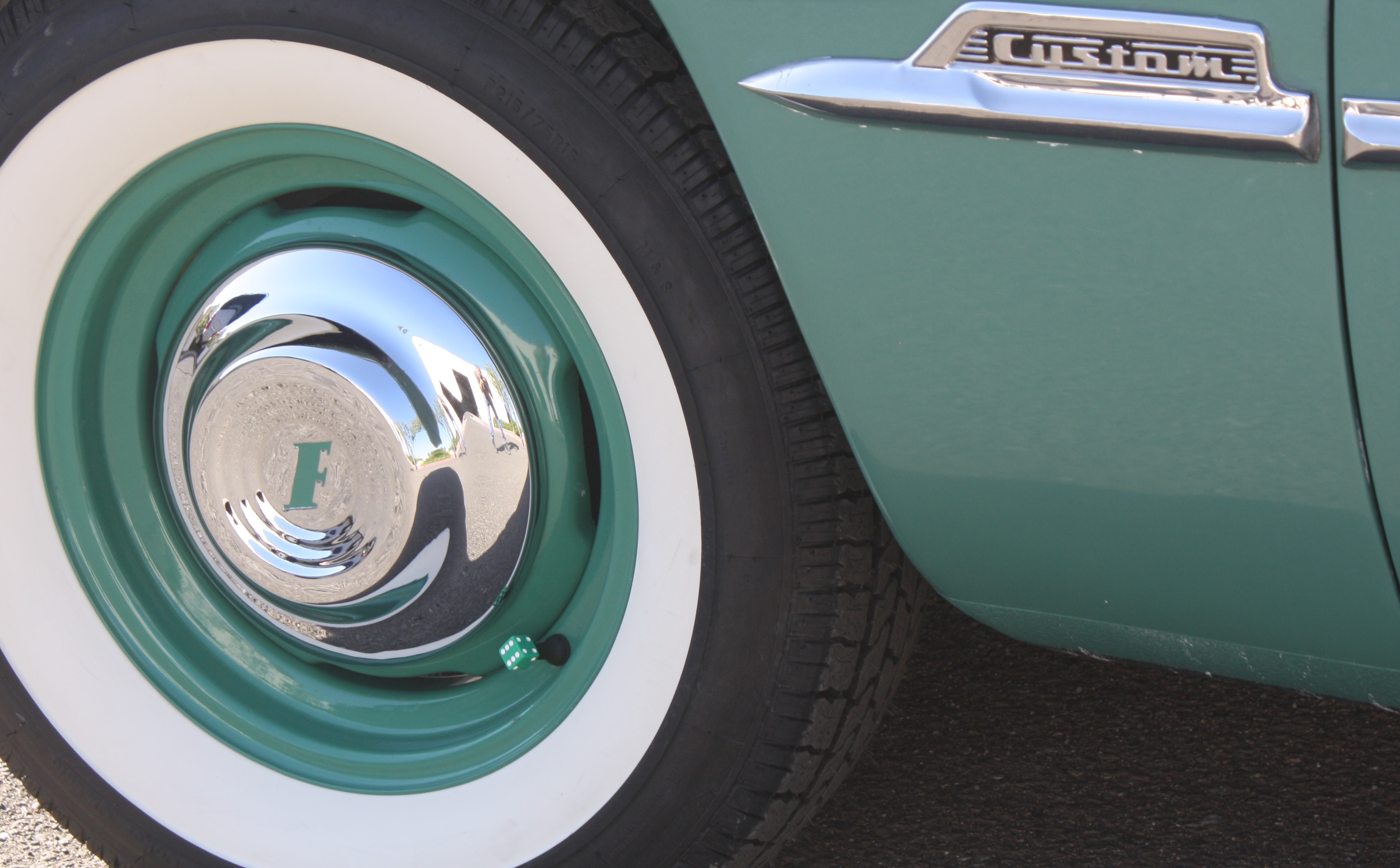
Remember the ’51 Ford Coupe we painted a while back? Well, I got word this morning that the car and its owner got some news coverage about the restoration project in the Orange County Register. A restoration project like this is really a labor of love as is evident by the owner’s care in restoring his grandfather’s car. It was a real pleasure working with George at QC Cars on this project. It’s hard for me to “toot my own horn” as they say but yours truly was mentioned briefly in the article. I thought you might like to see the ink. Check out the whole article by clicking on the link below as well as some of my photos taken after assembly.
“Paint work was done by Steve Kouracos, a specialist in automotive paint refinishing and restoration who began his career working for legendary custom car builder Sam Foose – father of auto designer and builder Chip Foose, star of the “Overhaulin’” TV series.“ — Road to Restoration by Vance Durgin; Orange County Register July 25, 2014




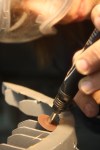
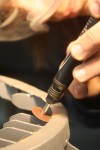
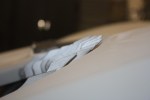
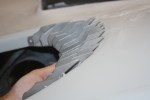
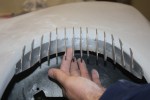

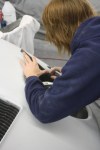
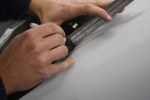
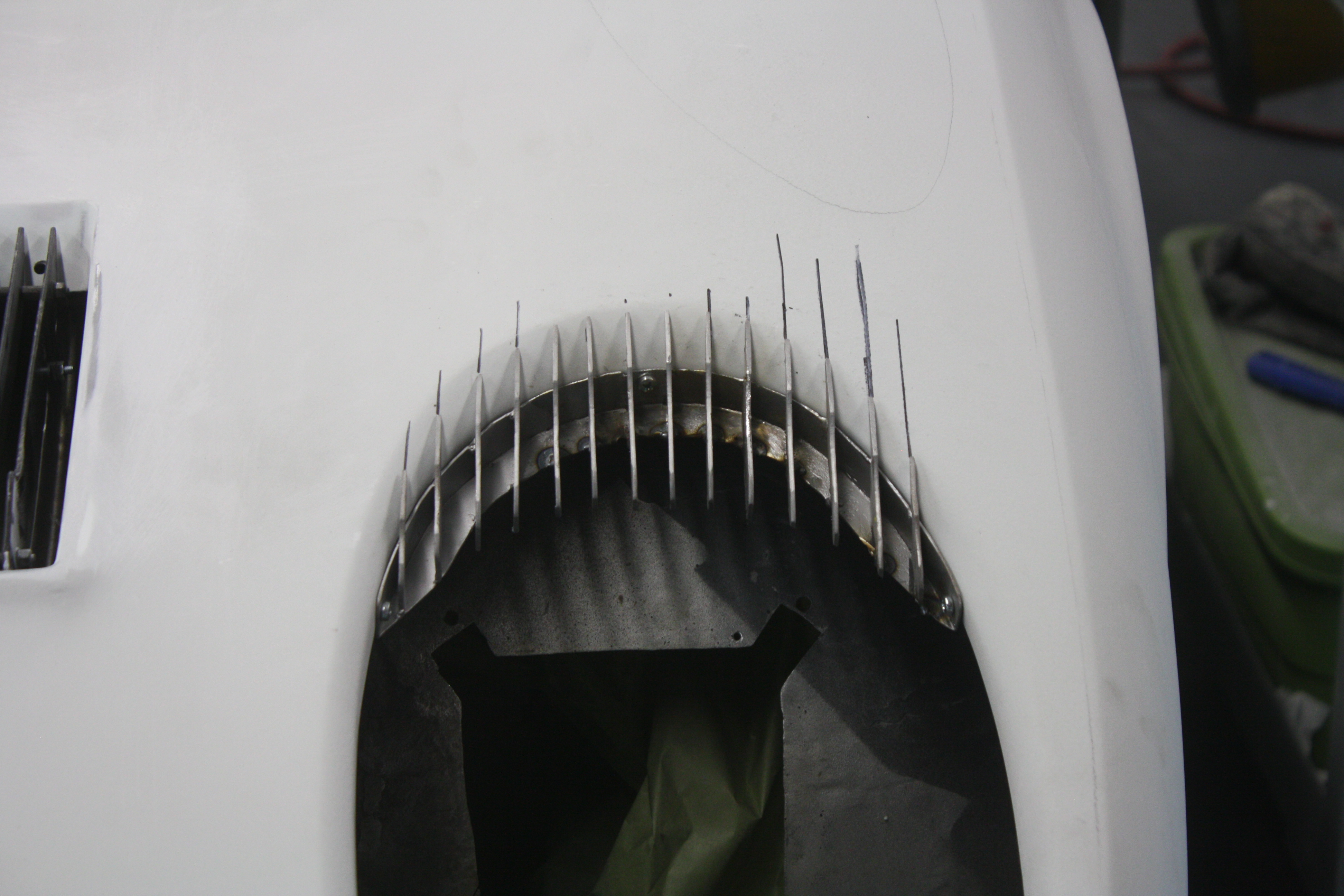
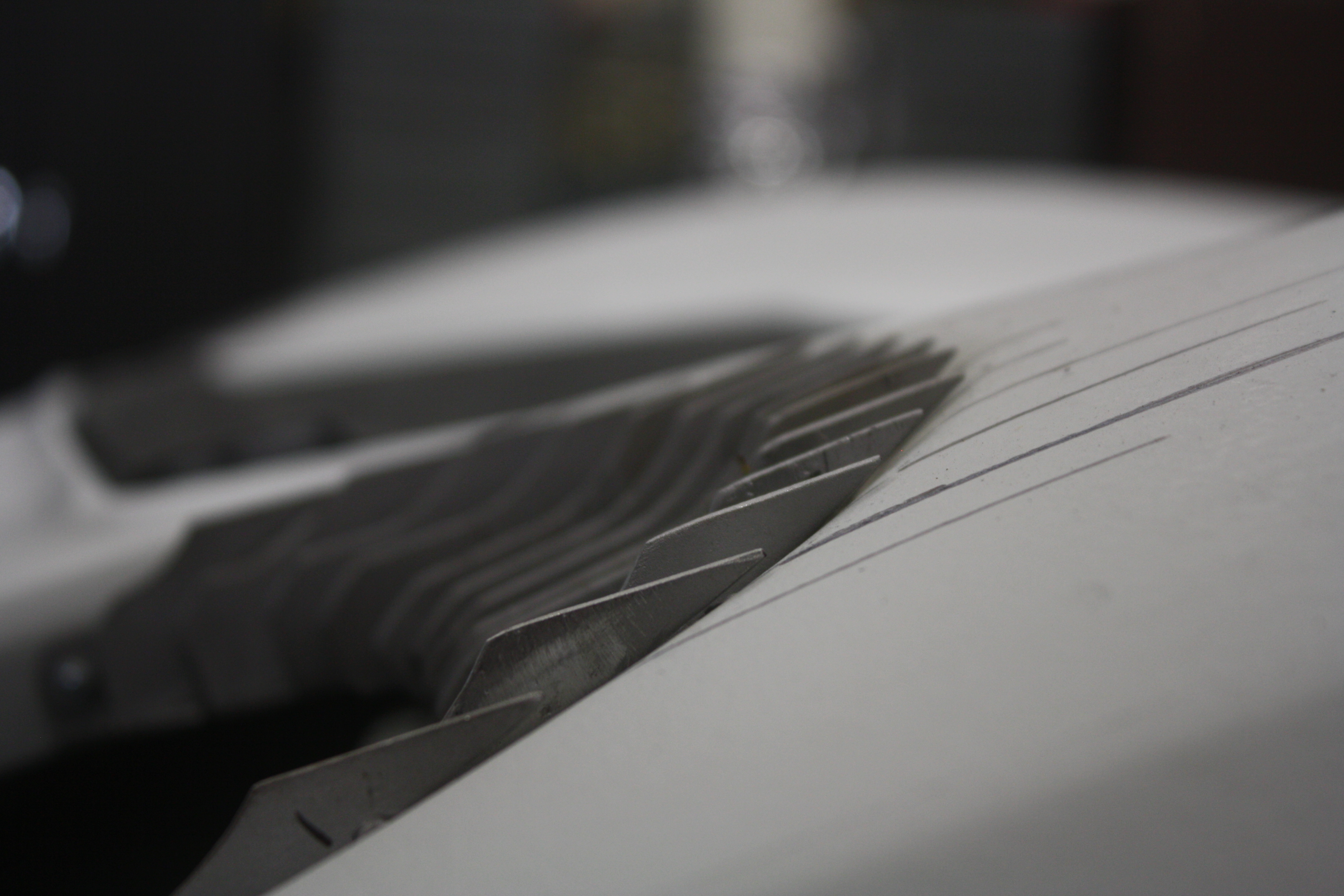
The Lamborghini Miura’s eyelashes needed a little help. The spacing was off, they varied in size and pointed in the wrong direction. We re-made one set and repaired the others. The early model cars had 14 lashes and we found that one side had only 13 lashes. We fabricated the new ones and installed them to be more evenly spaced. This all comes after many hours of correcting the headlight openings and headlight mechanism. We found one headlight opening was almost a half an inch larger than the other side and all that needed to be corrected before the eyelashes were repaired. Remember these are hand built cars and now we have more time than what the factory spent to get them a little closer and symmetrical. They fit much better and look great now!

 Bella Classics by Steve Kouracos